For children and adolescents on the autism spectrum, therapy often focuses on skill development, behavior management, and individualized interventions.
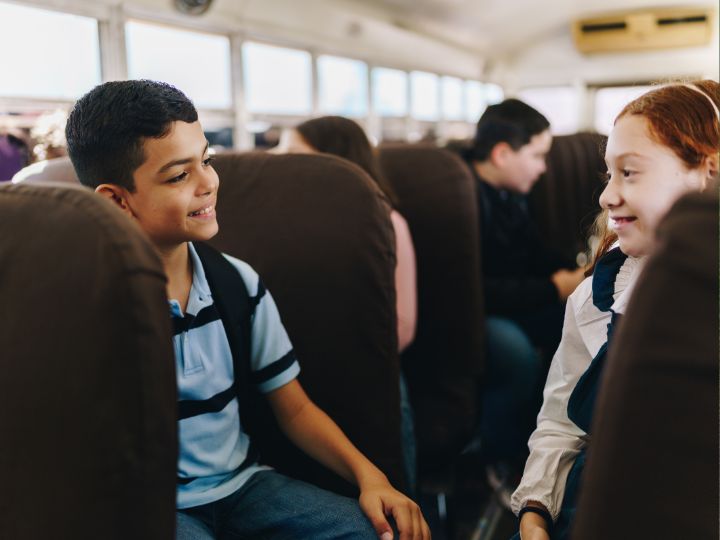
While these elements are essential, one factor that can significantly enhance therapy progress is peer interaction. Connecting with peers provides opportunities for social learning, community engagement, practice in natural contexts, and the development of meaningful relationships that support emotional and cognitive growth.
Role of Peer Interaction in Development
Peer relationships play a critical role in social, emotional, and cognitive development. For autistic children, structured peer interactions can:
- Reinforce social skills learned in therapy
- Provide natural opportunities for practicing communication
- Encourage problem-solving and collaboration
- Support emotional regulation through shared experiences
These benefits extend beyond therapy sessions, helping children generalize skills into school, home, and community settings.
Social Learning Through Observation and Practice
Children naturally learn from observing and imitating peers. For autistic children, structured opportunities to watch and interact with peers can reinforce lessons taught during therapy. For example:
- Practicing turn-taking in a game or activity
- Observing appropriate greetings and responses in conversation
- Modeling emotion recognition and perspective-taking
These interactions create real contexts where learned skills can be practiced safely and meaningfully.
Motivation and Engagement
Peer involvement can increase a child’s motivation to participate in therapy. Many autistic children respond positively to social reinforcement and the opportunity to engage with friends or age-matched peers.
When therapy is connected to peer interaction:
- Children are more likely to initiate communication
- Positive behaviors can be reinforced naturally by peers
- Participation becomes enjoyable rather than purely task-focused
At Heartwise Support, therapists often integrate peer-based activities into ABA sessions, combining structured learning with social engagement to maximize progress.
Structured Peer-Based Therapy Approaches
There are several evidence-based approaches for incorporating peers into therapy:
1. Peer-Mediated Interventions
Peer-mediated interventions involve training typically developing peers or neurodivergent peers to interact with the child in targeted ways that encourage social skill development. This method:
- Provides natural social models
- Encourages spontaneous communication
- Promotes inclusion in group activities
2. Group Social Skills Training
Group-based therapy sessions provide a safe environment for children to practice skills with multiple peers. These groups often focus on:
- Conversation skills
- Conflict resolution
- Understanding social cues
- Cooperation and teamwork
By practicing in a structured yet social setting, children can build confidence while receiving guidance from therapists.
3. Collaborative Play and Problem-Solving
Incorporating collaborative games, projects, or creative activities allows children to apply skills in a meaningful context. Examples include:
- Building a project together
- Participating in cooperative board games
- Engaging in role-playing exercises
These activities help children learn to negotiate, share, and adapt behavior in a peer-supported setting, enhancing generalization of therapy skills.
Emotional and Behavioral Benefits
Peer connections not only support skill acquisition but also have a positive impact on emotional and behavioral development.
- Reducing isolation: Social engagement prevents feelings of loneliness and helps children feel a sense of belonging.
- Modeling emotional regulation: Observing peers manage emotions can teach adaptive coping strategies.
- Encouraging empathy and perspective-taking: Engaging with peers provides opportunities to understand others’ emotions and viewpoints.
- Reinforcing positive behaviors: Peer feedback often serves as a natural reinforcement, complementing therapist-directed rewards.
Parent Involvement and Support
Parents play a crucial role in facilitating peer interactions. Strategies families can use include:
- Organizing playdates or small group activities outside of therapy
- Collaborating with school staff to encourage inclusion in classroom activities
- Modeling social behavior and providing guided practice at home
- Maintaining communication with therapists about peer interactions and progress
Supporting Diverse Needs in Peer Interactions
Not every child thrives in unstructured peer interactions. Tailoring peer-based opportunities to each child’s developmental and sensory needs is essential. Considerations include:
- Group size: Smaller groups may be less overwhelming and allow more individualized attention
- Sensory accommodations: Adjusting lighting, noise levels, or activity intensity can support participation
- Peer selection: Matching children with compatible peers increases the likelihood of positive experiences
- Structured guidance: Providing clear rules and expectations helps children navigate social situations confidently
By thoughtfully designing peer experiences, therapists can maximize engagement and learning outcomes while minimizing frustration or anxiety.
Long-Term Impact on Therapy Progress
Integrating peer connections into therapy has been shown to support:
- Faster acquisition of social skills due to repeated practice in natural contexts
- Better generalization of skills to everyday settings
- Increased independence and self-confidence
- Stronger relationships and community integration
Over time, children who regularly engage with peers during therapy often show improvements not only in social communication but also in motivation, emotional regulation, and overall quality of life.
Heartwise’s Approach to Peer Integration
At Heartwise Support, peer connections are woven into individualized therapy plans. Our approach includes:
- Carefully selected group sessions to match developmental levels
- Opportunities for collaborative play, social skills training, and structured peer interaction
- Parent coaching and support to reinforce peer engagement at home
- Continuous progress tracking to ensure skills generalize across settings
By combining individualized ABA therapy with meaningful peer interactions, Heartwise helps children make holistic progress that extends beyond therapy sessions.
Conclusion
Peer connections are more than just social opportunities. They are a critical component of effective therapy for children and adolescents on the autism spectrum. Structured interactions with peers provide practice, motivation, and reinforcement in natural contexts, enhancing the impact of therapy and supporting emotional and social development.
Families who actively incorporate peer experiences, in collaboration with therapists and educators, can help children translate learned skills into real-world success. At Heartwise Support, we recognize the power of peer connections and design programs that integrate these opportunities thoughtfully and effectively, helping children thrive socially, emotionally, and academically.
Reach out today to build independence and lifelong skills that empower your child to navigate both therapy and life with greater success.
Share the article