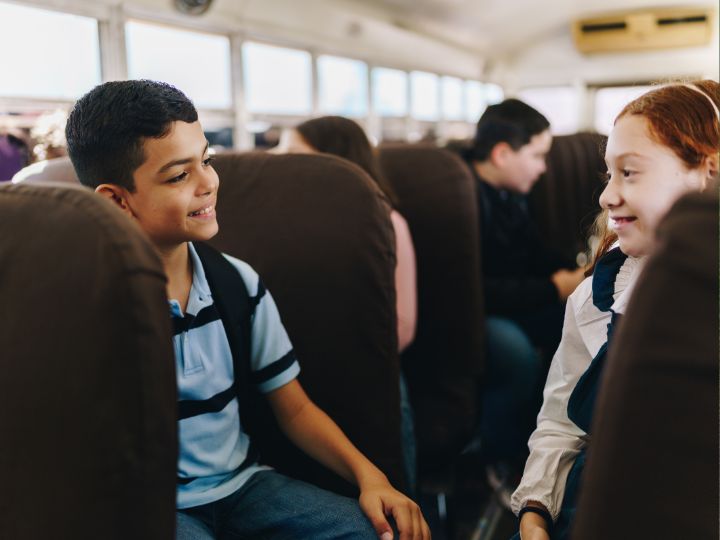
Social skills form the foundation of meaningful relationships, communication, and community involvement. These skills don’t always develop naturally, but they can be taught, practiced, and strengthened through structured approaches like Applied Behavior Analysis (ABA). One of the most effective strategies used in ABA therapy to support social development is peer modeling.
What Is Peer Modeling in ABA Therapy?
Peer modeling is a structured teaching technique where children learn new skills by observing and imitating peers who demonstrate desired behaviors. These “peer models” can be siblings, classmates, or other children who naturally display appropriate social behaviors such as sharing, taking turns, or initiating conversation.
In ABA therapy, peer modeling is a carefully planned intervention. ABA therapists intentionally create opportunities for observation, interaction, and guided practice to help children internalize social behaviors and apply them independently.
Why Peer Modeling Works
Peer modeling in ABA therapy works because children often learn best from observing others in natural social contexts. Seeing another child perform a skill successfully provides both a visual example and social motivation or the desire to be included, understood, and connected.
Key reasons this approach is effective include:
- Natural Learning Environment: Children observe peers in real-life situations rather than structured drills, making the learning more meaningful and generalizable.
- Social Reinforcement: Positive peer interactions provide immediate rewards, encouraging repetition of the behavior.
- Reduced Pressure: Watching a peer instead of an adult therapist can make learning feel more relaxed and relatable.
- Motivation Through Connection: Many children are more motivated to learn when they see their peers engaging and having fun.
Types of Skills Taught Through Peer Modeling
Peer modeling can be used to teach a wide range of social and adaptive behaviors, including:
- Communication Skills: Greeting others, maintaining conversations, asking for help, or joining group activities.
- Play Skills: Sharing toys, following game rules, and participating in cooperative play.
- Emotional Understanding: Recognizing emotions in others, responding with empathy, and managing frustration.
- Daily Living Skills: Observing peers completing classroom routines or community tasks like ordering food or following instructions.
How Peer Modeling Is Implemented in ABA Therapy
At Heartwise Support, therapists design peer modeling sessions to be engaging, supportive, and individualized. Here’s how the process typically unfolds:
- Identifying Target Skills: Therapists first identify specific social behaviors or communication goals that the child needs to develop such as making eye contact, initiating play, or responding to greetings.
- Selecting Appropriate Peer Models: Peers are chosen based on compatibility, social strengths, and ability to demonstrate desired behaviors naturally. Ideally, the peer model is someone the child already likes or interacts with regularly.
- Demonstration and Observation: The peer model demonstrates the behavior while the child observes. For example, a peer might show how to invite someone to play or how to wait patiently in line.
- Guided Practice: The therapist encourages the child to imitate the peer’s behavior, offering prompts or reinforcement as needed. Over time, these prompts are gradually faded to promote independence.
- Generalization and Reinforcement: The goal is to ensure that the learned skill carries over to home, school, or community settings. Positive reinforcement and ongoing practice help the skill stick.
Role of Peers in Building Confidence
Beyond skill acquisition, peer modeling helps children build self-confidence and belonging. Seeing themselves successfully interact with peers reinforces their sense of competence and encourages further social engagement. It also helps neurotypical peers develop empathy, understanding, and acceptance of neurodiversity.
At Heartwise Support, these interactions are nurtured in a way that benefits all participants to create inclusive environments where every child learns and grows together.
Incorporating Peer Modeling Across Settings
Peer modeling isn’t limited to one-on-one therapy sessions. It can be integrated into:
- Classroom Inclusion Programs: Supporting social participation and collaboration in school activities.
- Group Therapy Sessions: Practicing social turn-taking, teamwork, and communication.
- Community Settings: Applying learned skills in parks, playgrounds, or social gatherings.
- Home Environments: Encouraging siblings or family friends to participate in structured play or daily routines.
The flexibility of peer modeling allows it to blend seamlessly with other ABA strategies, such as natural environment teaching and social skills groups.
Why Peer Modeling Matters
Social learning is a lifelong process, and for children with autism, the right support can make all the difference. Peer modeling helps children understand why social behaviors matter and how they lead to real human connection.
By observing, practicing, and internalizing these skills in a supportive environment, children develop confidence, empathy, and the ability to build meaningful relationships that extend far beyond the therapy room.
Supporting Social Growth with Heartwise Support
At Heartwise Support, our ABA therapy programs use evidence-based strategies like peer modeling to help children build communication, connection, and confidence. Every session is tailored to meet each child’s unique learning style and goals, ensuring that progress is both measurable and meaningful.
Through collaboration between therapists, families, and peers, we create opportunities for every child to experience success in life.
Share the article